Exactly How Building Artificial Roof Covering Stands Up To Freeze-Thaw Damage in Midwest Houses
Anyone who has actually had a home in the Midwest long enough has seen what winter season does to constructing materials. A roofing can look penalty in October, then by March it is showing slipped pieces, broken edges, loose blinking, or signs of wetness where it ought to be bone dry. The damage rarely originates from one significant snowstorm. Regularly, it originates from rep. Water enters a tiny opening, temperatures go down overnight, that water ices up and broadens, after that daytime sunlight starts the cycle once more. By the end of the season, the roof has actually been stressed dozens of times.
That freeze-thaw cycle is specifically hard on standard roofing materials with natural pores, breakable edges, or inconsistent attaching zones. It is one factor extra homeowners are inquiring about architectural artificial roofing when they intend a remodel or a synthetic roof covering substitute. In position like Chicago, Naperville, and the wider Chicagoland residential areas, that rate of interest is not practically looks. It has to do with durability in a climate that punishes weak spots.
Architectural artificial roofing has actually earned attention due to the fact that it addresses the exact problems that create winter season roofing system failures. It can mimic slate, shake, or various other high-end accounts, but the real tale is what takes place below the surface area. The material makeup, fastening layout, impact resistance, and reduced water absorption all aid these roofings stand up to freeze-thaw stress and anxiety in a way lots of home owners do not expect until they see the difference over numerous winters.
Why freeze-thaw is so devastating on Midwest roofs
Freeze-thaw damage begins with dampness, however the genuine offender is activity. Water broadens by about 9 percent when it ices up. That growth issues when water has worked its method right into a hairline crack, a seam, a nail penetration, or the exposed end grain of a roof item. As ice forms, it expands the opening. When temperatures climb over cold, the ice melts and water can take a trip even further into the product. After that the next cold wave repeats the process.
Midwest weather creates the ideal setting for this. In many parts of Illinois and the surrounding region, wintertime temperatures can turn from single numbers to the high 30s or low 40s within a day or two. South-facing roof inclines take straight winter months sunlight, which increases daytime thawing also while shaded areas remain frozen. Include wind-driven snow, over night refreezing at the eaves, and periodic ice damming, and you have problems that test every element of the roof system.
The damage does not always show up where house owners expect. People usually seek a missing tile after a storm, yet freeze-thaw damages has a tendency to be subtler initially. It might appear as cracked corners, raised sides, a ridge cap that no longer lies flat, or small paths for water around flashings and penetrations. By the time a leakage gets to a ceiling stain, the roof has commonly been falling short silently for a while.
What makes building synthetic roof covering different
The term "artificial roof coverings" covers a broad group, so it helps to be particular. Architectural synthetic roof typically describes crafted roof covering items made to replicate the look of slate, cedar shake, or other dimensional products while enhancing performance. These are not flimsy plastic panels. Premium synthetic roof covering products are usually made from sophisticated polymer blends, recycled composite products, or proprietary material solutions developed for durability, adaptability, and weather resistance.
That distinction matters in winter season. All-natural materials have appeal, yet they likewise have susceptabilities. Actual wood shake can soak up moisture and split. All-natural slate is long lasting, yet individual pieces can split under influence or if they are stressed out at add-on points. Lower-grade asphalt items can come to be fragile as they age, specifically after years of UV exposure.
By comparison, well-crafted artificial roof covering shingles and floor tiles are engineered to restrict water absorption and preserve flexibility throughout a broader temperature level array. When a product does not readily absorb moisture, it provides freeze-thaw development less opportunity to do damage inside. When it stays resistant rather than transforming breakable in the cool, it is better able to tolerate activity from thermal cycling, wind uplift, and effect from hailstorm or dropping ice.
This is where domestic synthetic roofing usually surpasses assumptions. Home owners may initially select it for curb allure, specifically in neighborhoods with historic homes or personalized constructs, however after a couple of winters months they start to value the much less noticeable advantage: the roofing system just handles Midwestern weather with much less drama.
Low water absorption transforms the game
If I had to indicate one quality that the majority of directly connects to freeze-thaw resistance, it would certainly be water absorption. Traditional freeze-thaw failing depends upon moisture going into the product itself or getting entraped in at risk areas. Lots of artificial roofing systems are crafted to stand up to dampness penetration at a material degree, not just on the surface.
That is a significant distinction from all-natural timber products and even from some masonry-based products. An artificial ceramic tile that sheds water efficiently and soaks up really little of it is much less likely to suffer interior expansion anxiety when temperatures go down. The roof still needs correct blinking, underlayment, ventilation, and water drainage, but the area material itself is much less susceptible to wintertime damage.
This does not suggest all synthetic products execute just as. Costs synthetic roofing often tends to have tighter manufacturing resistances and far better long-lasting security than deal items. In the area, those information issue. A roof tile with irregular thickness, weak securing sides, or bad UV stability might not mature with dignity, even if it looks proficient at setup. That is why product selection and installer experience issue just as high as the classification itself.
Flexibility in the chilly assists prevent cracking
One of the frustrations with older or even more breakable roofing products is just how they behave throughout the initial actually cold stretch of the season. Something as small as a branch touching the roofing system, a worker actioning in the incorrect place, or a chunk of moving ice can cause breaking if the material has actually lost adaptability. Once a fracture begins, water follows.
Architectural synthetic roofing is commonly much better at maintaining effect resistance and versatility in low temperatures. That matters in Chicago and bordering residential areas where a wintertime roof may see snow cover, sleet, wind-driven debris, and temperature whiplash in the very same week. A product that can bend somewhat under anxiety as opposed to breaking has a much better opportunity of enduring intact.
I have seen home owners think that hefty means durable and light-weight methods fragile. On roofings, that is not constantly true. Some synthetic roof are far lighter than slate or concrete ceramic tile, yet they deal with freeze-thaw stress and anxiety much better due to the fact that they move with the building instead of resisting every tiny shift. Roof covering decks broaden and agreement. Mounting relocations somewhat with humidity and temperature level. Fasteners react to thermal cycling. A roofing covering that endures that motion without splitting has a real advantage.
The account of the roofing influences winter efficiency too
Architectural artificial roof is not simply a material choice. It is likewise an account and system choice. Several items are made with much deeper shadow lines, interlocks, and water-shedding pathways that assist relocate melting snow and rainfall off the roof extra successfully. That boosted drainage can reduce the amount of standing water that lingers at overlaps or susceptible transitions.
On a steep-slope roof, this matters a good deal. Snow does not simply go away when temperature levels rise. It thaws erratically, frequently beginning higher on sun-warmed inclines while reduced sections stay frozen. If a roof covering account channels that sprinkle cleanly towards the eaves, the roof covering invests much less time with moisture floating at joints. If the item likewise has safe and secure side laps and appropriately made head laps, the chance of wind-driven meltwater backing into the setting up drops.
An excellent artificial roofer will listen not just to the visible floor tile or shingle, yet to just how the entire assembly acts under winter months conditions. That consists of underlayment choice, ice-and-water membrane positioning, air flow technique, blinking assimilation, ridge details, and fastening approaches. The product can be outstanding, yet if the roof covering system is poorly developed, freeze-thaw damages will still find a method in.
Ice dams are a different trouble, but synthetic roof still helps
It is important to be accurate right here. No roofing product removes ice dams on its own. Ice dams are usually driven by warmth loss from the house, attic air leakage, poor insulation, and irregular roof covering temperatures. Also the very best synthetic roofing system setup can not compensate for a poorly doing building envelope.
That said, artificial roof covering can still play a handy role. Since numerous synthetic items have steady measurements, safe and secure interlocks, and less breakable exposed edges, they frequently hold up far better when ice forms and meltwater supports momentarily. If water is required uphill by an ice dam, the roof still relies on underlayment and blinking as the main protection, but the area product is less likely to break or divide while under stress.
In useful terms, that can mean a roofing that comes via duplicated wintertimes with less fixings. House owners might still require attic room enhancements to solve the source of ice damming, but the roof covering itself is less most likely to suffer cumulative damages along the way.
Why this matters for Midwest luxury homes and custom architecture
Synthetic roof covering for luxury homes has actually become progressively popular in the Midwest for an easy factor: homeowners desire the appearance of slate or cedar without acquiring every upkeep concern that can feature those materials in a tough climate. Big customized homes usually have intricate rooflines, numerous valleys, dormers, turret information, and long eave runs. Those functions develop charm, however they additionally create more places where snow, ice, and meltwater can gather.
A complicated roof intensifies the effects of freeze-thaw anxiety. Extra transitions imply more flashing. Extra roof airplanes suggest even more snow drift patterns. More valleys mean even more concentrated water circulation throughout a thaw. On that kind of home, a robust roof is not a deluxe in the superficial feeling of words. It is threat management.
This is where building synthetic roofing often radiates. It offers developers the dimensional appearance they desire while lowering dead lots compared to all-natural slate or concrete. That reduced weight can be particularly beneficial in renovation projects where architectural upgrades would or else be needed. It additionally tends to simplify handling and positioning during installation, which can enhance uniformity on complex roofing system geometries.
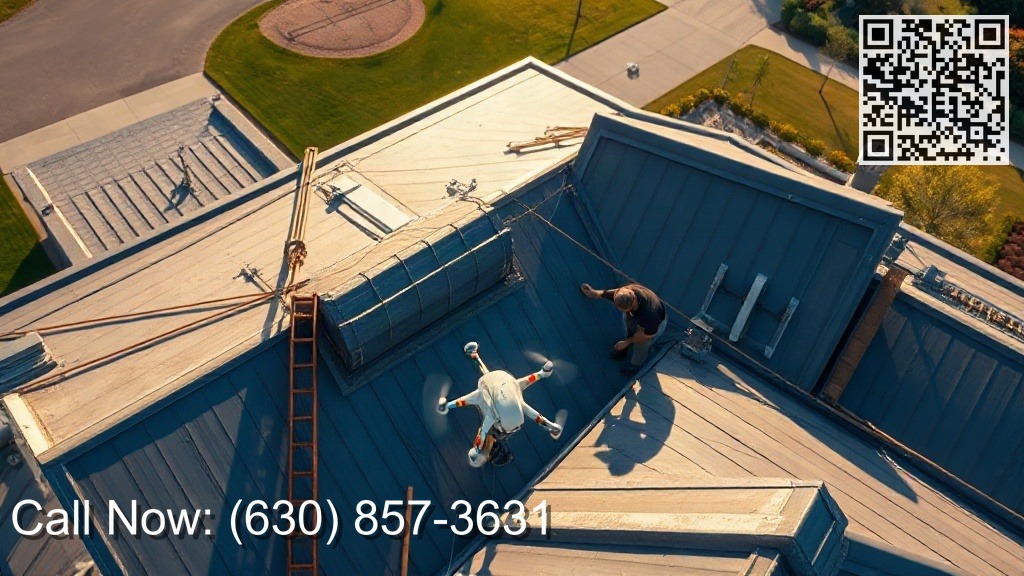
In upscale residential areas where homeowners care about resale value and long-lasting appearance, premium artificial roof covering additionally has a functional aesthetic advantage. It has a tendency to weather even more consistently than natural wood and prevents several of the random damage patterns seen with brittle items. A roof covering that still looks composed after numerous severe wintertimes contributes to the general impact of the house.
Installation high quality is what turns material efficiency into real-world performance
This is the point many posts skip, yet it is the one professionals take care of every season. A high-performance roof item can fail early if it is set up thoughtlessly. Freeze-thaw resistance depends on details. Fasteners need to be positioned properly. Flashings need proper overlap and safeguard combination. Ventilation can not be guessed at. Penetrations must be flashed in such a way that anticipates snow, ice, and wind, not simply summer rain.
When house owners look for an artificial roofing business, they often compare brands initially. That makes good sense, yet the installer should have equivalent scrutiny. An artificial roofer that recognizes Midwest environment problems will approach the job in different ways from a staff that mainly mounts conventional asphalt in milder regions. The very best synthetic roof covering installers think about where wandering occurs, how valleys will handle ice, where warm loss might create persistent thaw points, and exactly how neighborhood code needs intersect with producer specifications.
For house owners seeking artificial roofing Chicago services or a synthetic roofer Chicagoland property owners can trust, regional winter experience issues. The exact same holds true if you are searching for synthetic roof Naperville IL professionals. Freeze-thaw damages is not theoretical below. It turns up in service phone calls, assessments, and insurance cases every year. A specialist who has actually seen what stops working in February will certainly make smarter options in July.
Common powerlessness where artificial systems commonly stand up better
Most wintertime roofing failings do not happen in the middle of an open field of roof covering. They show up at changes and stress factors. Synthetic roofing systems often do well because their accessories and area pieces are designed as a collaborated setting up, which helps reduce those vulnerabilities.
The areas that deserve the most interest are these:
- Valleys, where snow and water concentrate during thaws.
- Eaves, where meltwater can refreeze and form backing pressure.
- Roof infiltrations, especially plumbing vents, smokeshafts, and skylights.
- Ridges and hips, where wind exposure and thermal activity are high.
- Sidewalls and headwalls, where blinking details make or break performance.
The point is not that synthetic products make these locations sure-fire. The factor is that a properly designed artificial roof installation frequently offers the specialist better tools to protect them. Matching devices, predictable dimensions, lighter handling weight, and resistant field materials all add to cleaner execution.
Repairability and long-lasting ownership
One quiet advantage of residential artificial roof is just how it fits real ownership patterns. Midwest house owners do not just require a roof covering that makes it through one winter. They need one that stays functional over twenty or thirty years of tornados, tree particles, attic room upgrades, vent substitutes, and periodic service provider foot traffic.
Some all-natural products come to be harder to fix easily as they age. Matching can be tough. Delicacy increases. Recover work around one broken area might damage adjacent pieces. Synthetic products vary, but several use a more flexible solution experience. Private items can usually be changed without the exact same threat of collateral damage, assuming the product line is still offered and the roofing system was installed with gain access to and upkeep in mind.
That issues for long-lasting budgeting. A property owner considering artificial roofing substitute may originally focus on in advance price, and fair enough, premium items are not bargain roofing. Yet the possession equation ought to include likely upkeep, fixing frequency, and the expense of winter-related failures. When a roofing system avoids duplicated jumble after tough freeze-thaw seasons, the worth photo changes.
What home owners need to ask prior to choosing a product
The discussion should exceed aesthetics. An attractive profile that mimics hand-split cedar or quarried slate is appealing, yet Midwest customers need to press for practical answers. Ask how the product manages effect, temperature variant, and wetness. Ask what underlayment plan the installer suggests for your roofing geometry. Ask just how the system carries out at eaves and valleys. Ask whether the staff has actually installed that details product through at least a few neighborhood winters.
These questions deserve covering with any kind of artificial roofer:
- How does this product do in repeated freeze-thaw conditions?
- What ice-and-water security will be utilized, and where?
- How will certainly attic air flow and insulation impact roof performance?
- What details will be utilized at valleys, smokeshafts, and skylights?
- How frequently does your firm service or examine this type of roofing after installation?
A knowledgeable professional will certainly respond to straight and with context. They will not make believe any kind of roofing is invincible. They will certainly describe where the product excels, where supporting details matter most, and what maintenance still makes good sense over time.
The trade-offs house owners must understand
Architectural synthetic roof is not the https://salvoarchitecturalroofingcontractors.com/sitemap_index.xml right option for every single project. Price is one compromise. Premium artificial roofing generally rests above standard asphalt in rate, often by a considerable margin relying on profile, intricacy, and region. Property owners planning to move soon may make a decision the long-lasting durability costs is ineffective for their timeline.
There is likewise item variation on the market. "Artificial" is not a warranty of high quality any more than "wood" or "slate" is. Some lower-end items may discolor erratically, warp, or really feel less convincing up close. That is why it is clever to view full-size installed samples and ask to see local projects that have been with numerous winters.
Style fit matters too. On some homes, especially modest homes with straightforward lines, a high-profile artificial slate might watch out of range. Great roof covering selections have to do with percentage as long as performance. A thoughtful artificial roofing business will certainly lead home owners towards profiles that suit both the architecture and the climate.
Why the Midwest has become a verifying ground for artificial roofing
If a roof can execute well via a string of Midwestern winters, that informs you a great deal. The region combines hefty snow, wind, sun direct exposure, freeze-thaw cycling, hail, and abrupt seasonal transitions. It is inadequate for a roof covering to look good on a showroom board. It needs to make it through the truth of January defrosting on a south slope, February refreezing at the eaves, and March slush functioning its way towards every seam.
That fact is one factor artificial roof coverings have obtained traction among architects, contractors, and experienced homeowners in position like Chicago and Naperville. The material group addresses an extremely specific set of issues without requiring the architectural weight or maintenance problem of some standard premium products. For homes with complex style, high substitute cost exposure, or owners that plan to sit tight, that is an engaging combination.
Architectural artificial roof withstands freeze-thaw damages not because it cheats winter months, but since it is built for wintertime's behaviors. It drops water effectively, takes in much less moisture, remains more resistant in the cold, and incorporates into roofing systems designed to safeguard susceptible information. In the Midwest, where periods examination every weak point sooner or later, those qualities are not marketing language. They are the distinction in between a roof covering that ages gradually and one that begins calling for fixings after every tough winter.
When Quality Matters
Salvo Architectural Roofing Contractors
566 West 5th Ave Naperville, IL 60563
(630) 857-3631
 Ask ChatGPT
 Ask Grok
 Ask Perplexity
 Ask Claude
 Ask Google AI
 Ask You